Date & Location: October – November 2025, Durham/ University
Debate/Networking 12 – 7pm Durham University
Format: Panel discussion followed by audience Q&A
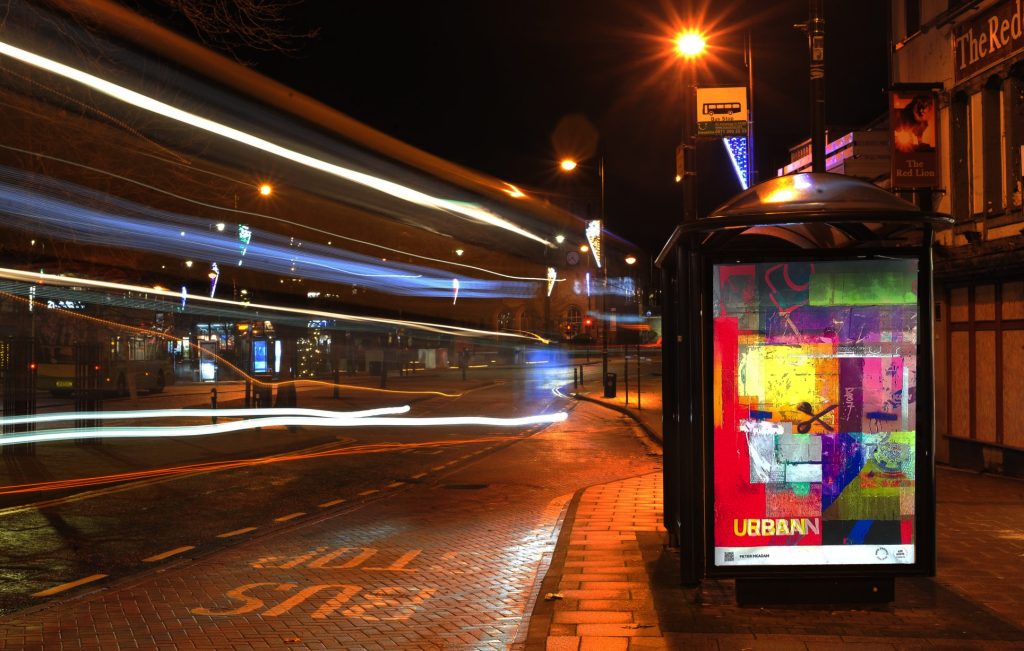
Exhibition: 25 AI-assisted artworks on bus advertising panels, with the possibility of a city-centre pop-up exhibition
September 2025 – Logistics & Partnerships
Confirm final speakers for the public debate.
Set up free ticketing platform for attendees.
Continue liaising with artists and finalise artworks for bus panel installation.
Confirm installation schedules with printing and transport contractors.
Recruit event volunteers and confirm catering/technical support for debate.
Issue formal press release to regional press, TV, and online media.
October 2025 – Design, Print & Publicity
Design and print a zine-style pre-debate booklet introducing the artists, themes, and questions.
Promote the exhibition and debate through website, email list, and social media channels.
November 2025 – Installation & Public Programme
3 November: Installation of 30 AI-assisted artworks on Durham bus panels.
Throughout November: Website and social media updated with interviews, features, and behind-the-scenes content.
27 November: Full technical run-through and speaker briefings.
28 November:The Augmented Mind public debate and networking event.
December 2025 – January 2026 – Wrap-up & Evaluation
Removal of artwork from bus panels.
Publish event recordings, debate excerpts, and artist reflections on the website.
Evaluate outcomes and gather feedback from audience, partners, and participants.
Submit final reports and documentation.
Click to view:
Peter McAdam
Peter McAdam
Peter McAdam
Megan Ball
Megan Ball
Megan Ball
Chris Catchpole
Chris Catchpole
Emi Kusano
Tim Fu
Memo Akten
Memo Akten
Sofia Crespo
Sofia Crespo
Sofia Crespo
Sofia crespo
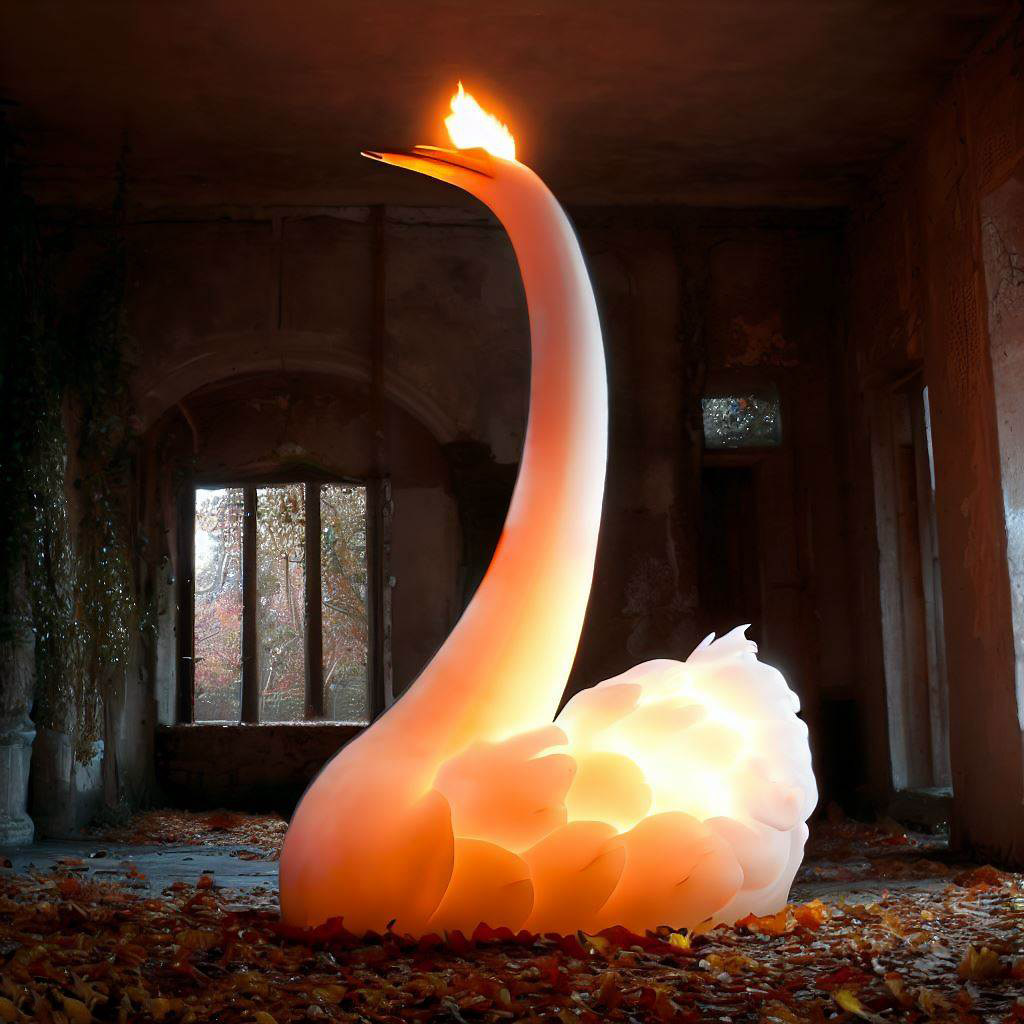
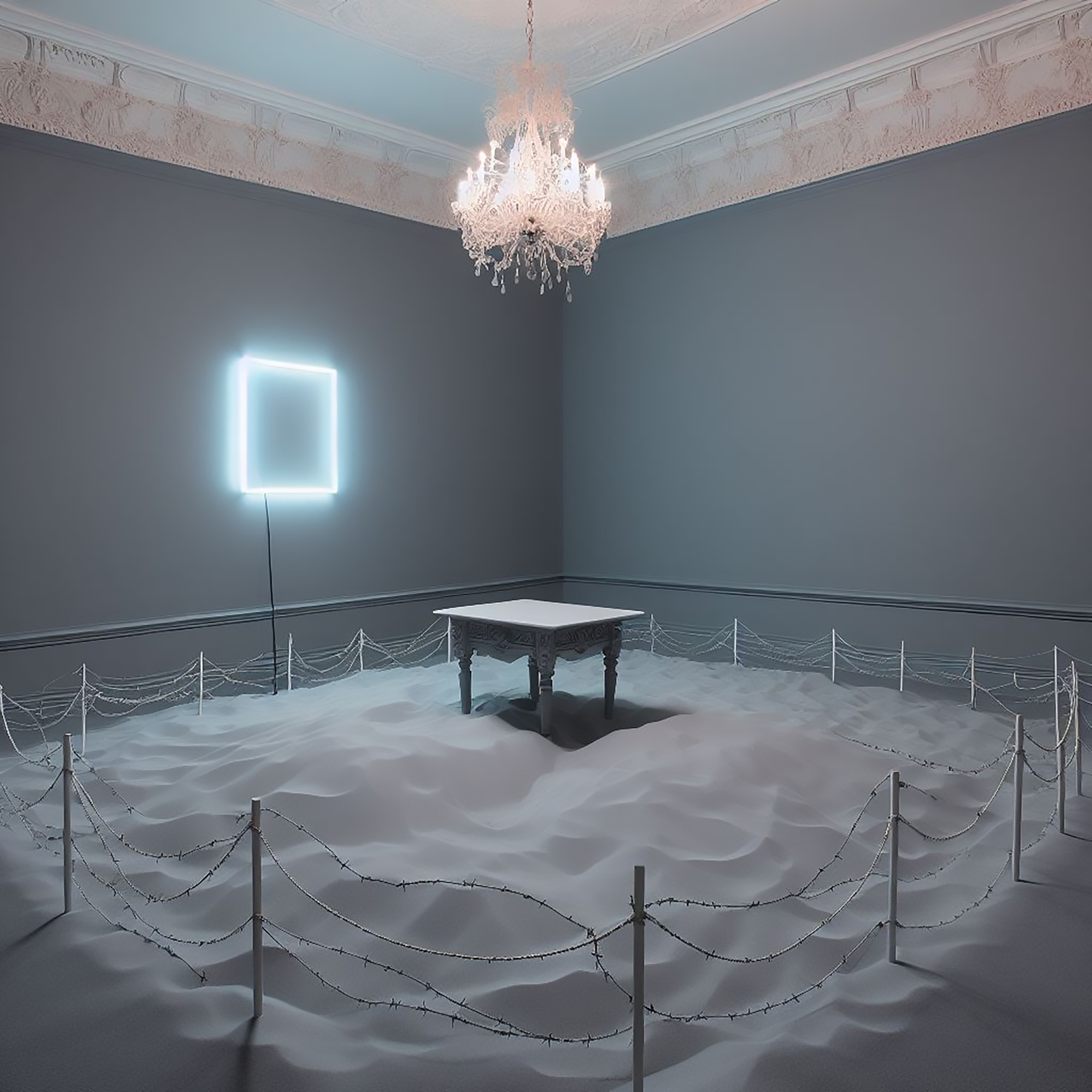
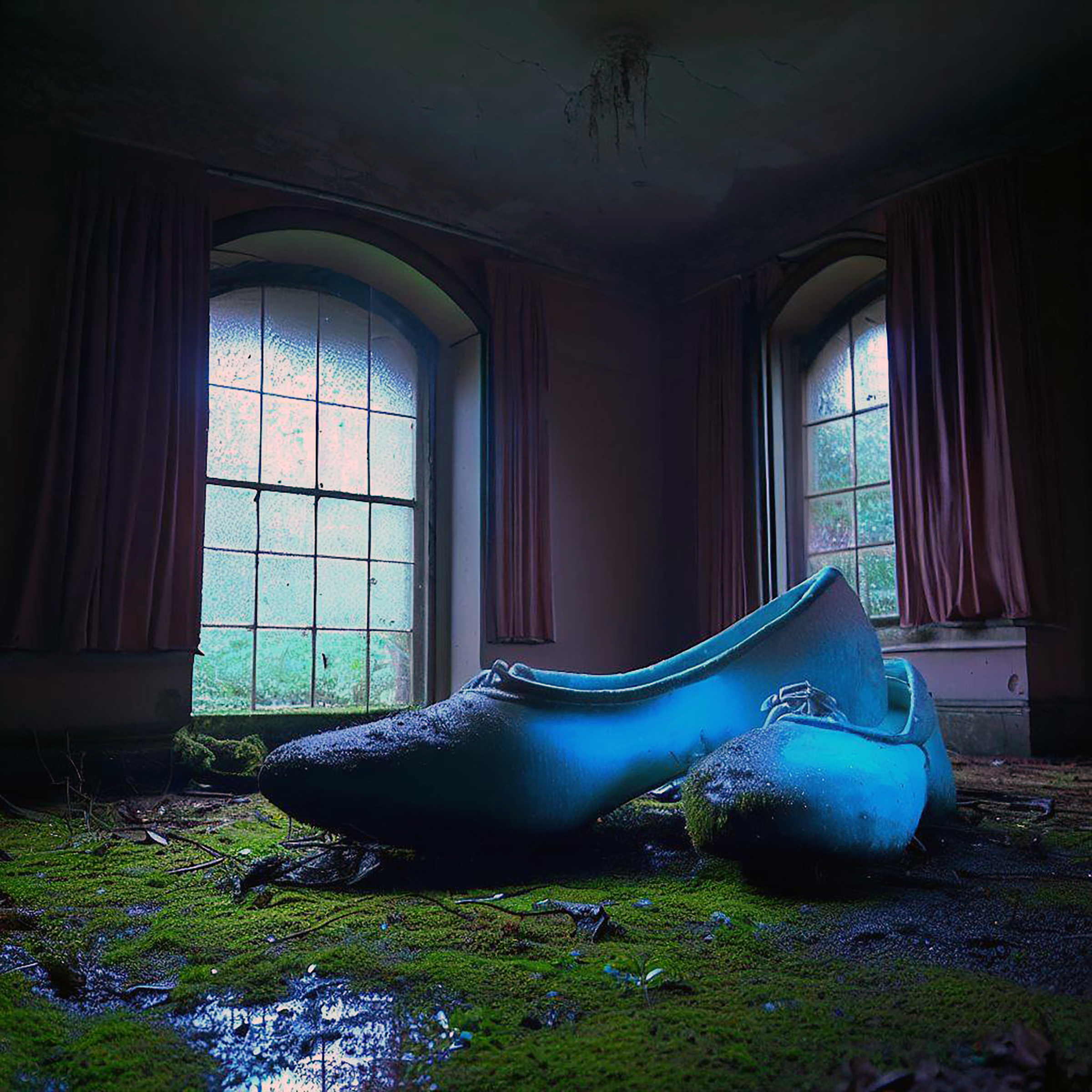
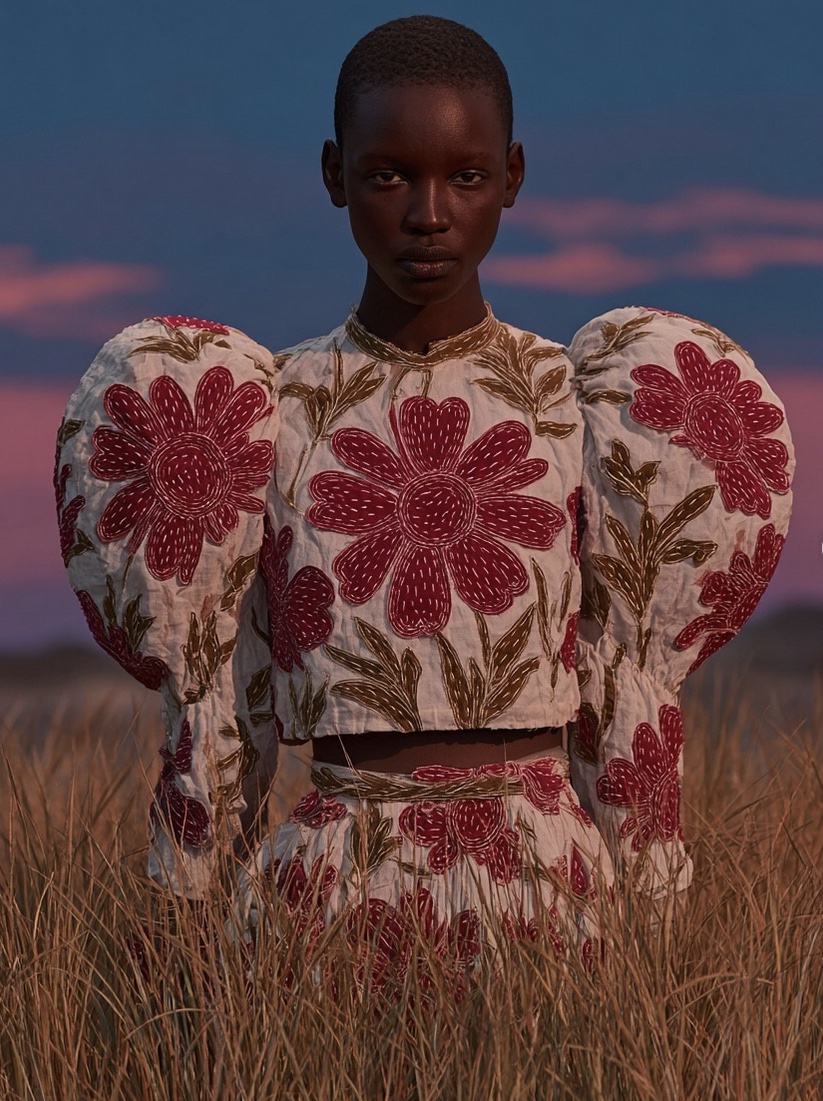
Artists exhibiting on the bus panels and four possible presenters at the debate.
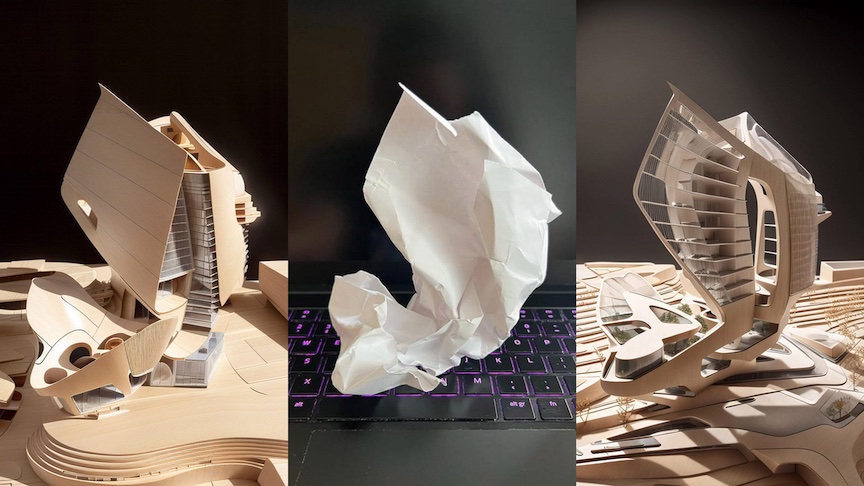
Tim Fu Style: Architect and designer Tim Fu uses AI to transform traditional architectural forms into futuristic, organic designs. His work reflects a commitment to merging computational methods with sustainable design.
Chris Catchpole Style: CEO of Rockstar Media based in Vietnam Chris uses moving image and stills generated by AI to create inventions and 3D sculptures.
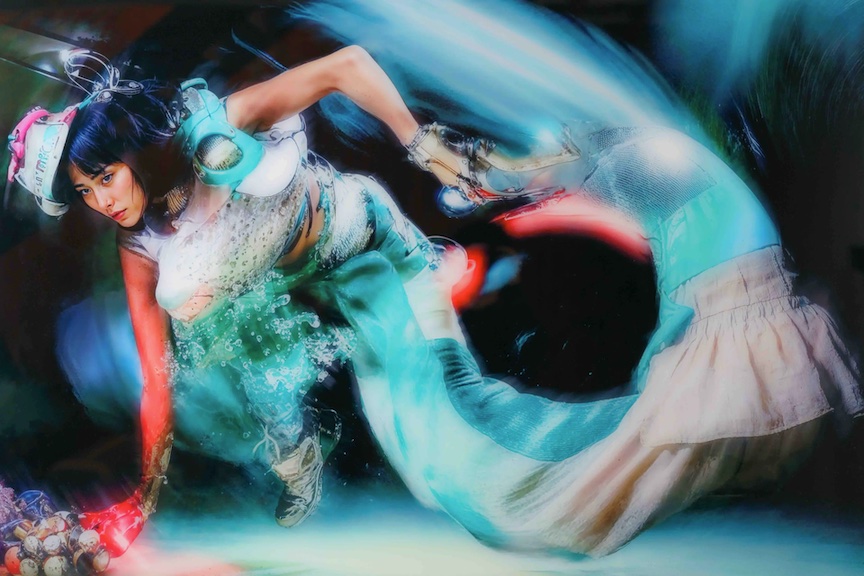
Emi Kusano Style: A multidisciplinary artist from Tokyo, Emi Kusano integrates retro-futuristic aesthetics with AI-driven design, creating immersive installations and music that evoke nostalgia while looking forward.
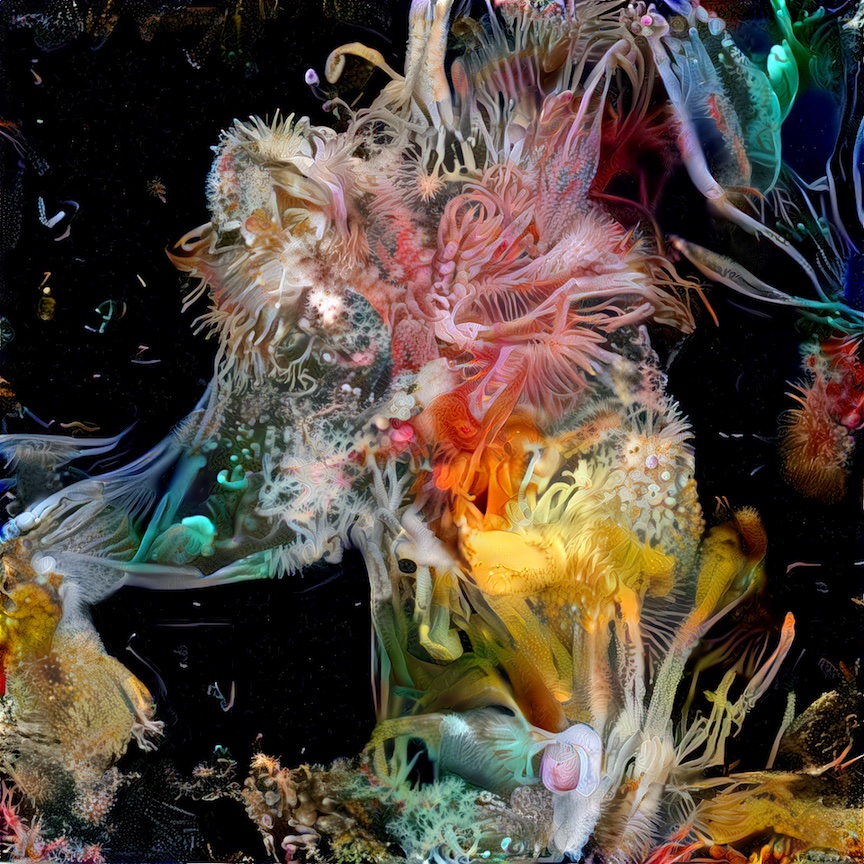
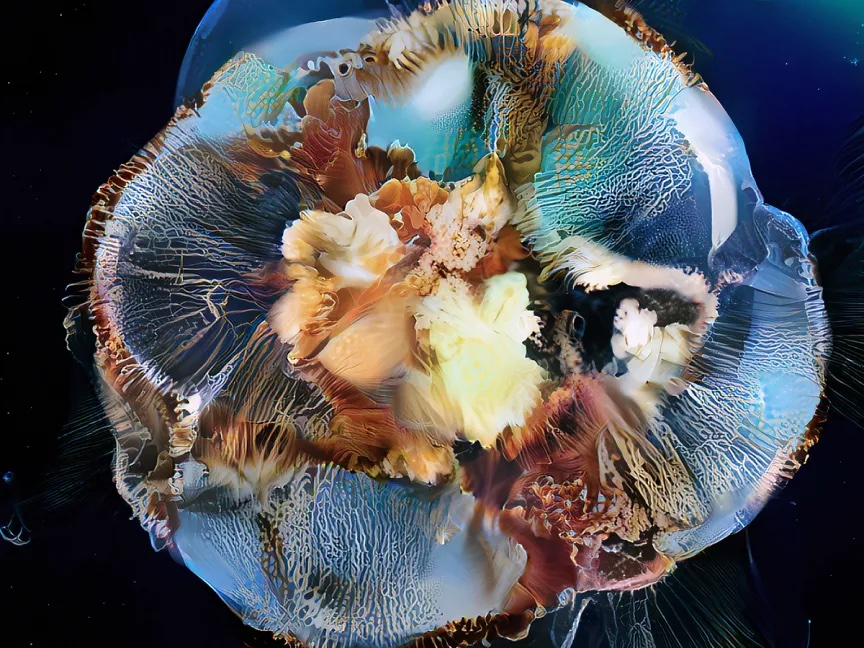
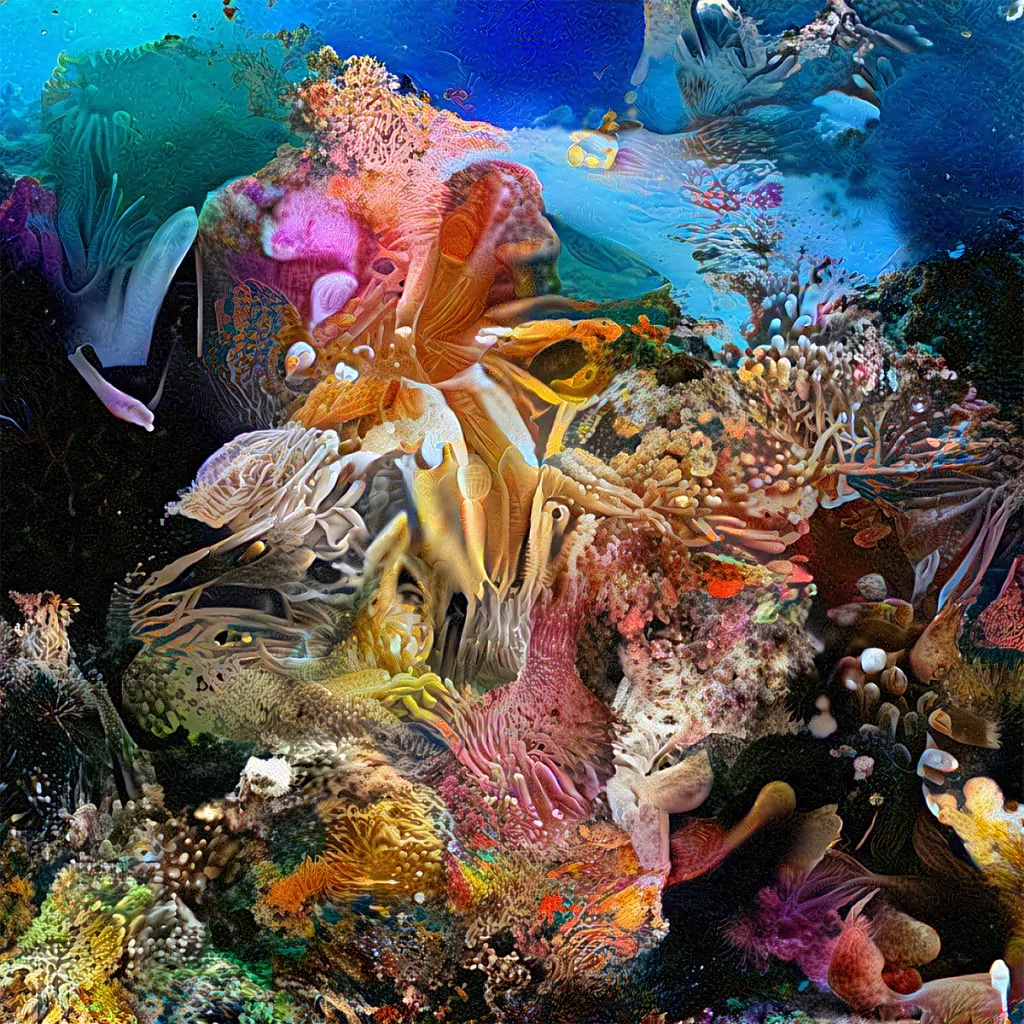
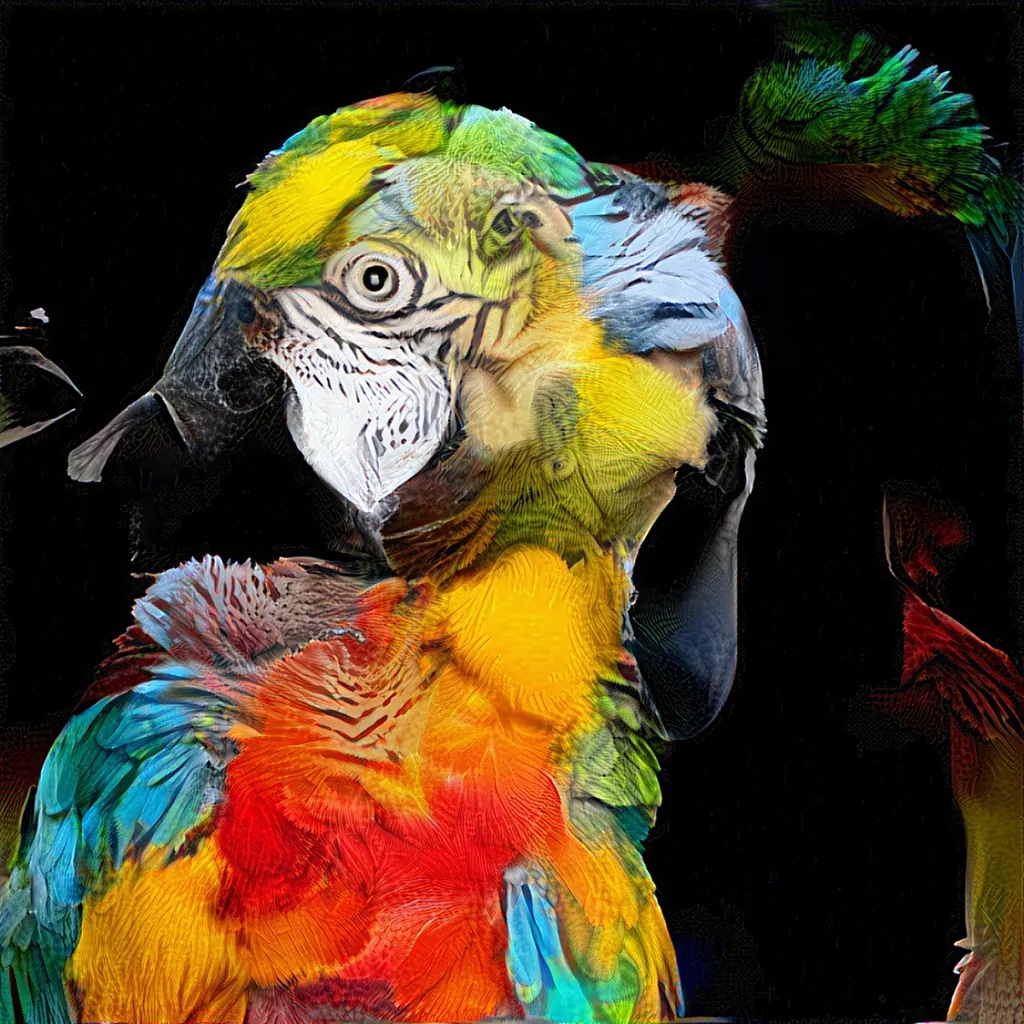
Sofia Crespo Style: Sofia reimagines nature through AI, crafting mesmerizing images that explore organic evolution. Her generative artworks often reflect themes of growth, decay, and the interplay between technology and biology.
Lauren McCarthy Style: Combining art and technology, Lauren McCarthy’s interactive works interrogate social dynamics and digital identity. Her projects often involve transforming spaces and experiences through programmed interactivity.
Anna Ridler Style: Known for her painstakingly self-generated datasets, Anna Ridler’s narrative-driven works—like her celebrated tulip series—examine historical and economic phenomena through the lens of machine learning.
Jake Ewles Style: Jake uses deepfake techniques and AI-driven video to probe issues of identity, bias, and political commentary. His thought-provoking pieces challenge viewers to reconsider digital representation in a hypermediated world.
Sougwen Chung Style: A pioneer in human–machine collaboration, Sougwen merges traditional drawing with robotic performance. Her art investigates the dialogue between hand-made marks and AI-generated lines, resulting in deeply poetic, hybrid works
Memo Akten Style: Memo fuses art, technology, and scientific inquiry. His work—ranging from experimental video installations to interactive performances—uses deep learning and neural networks to explore synthetic consciousness and the nature of creativity.
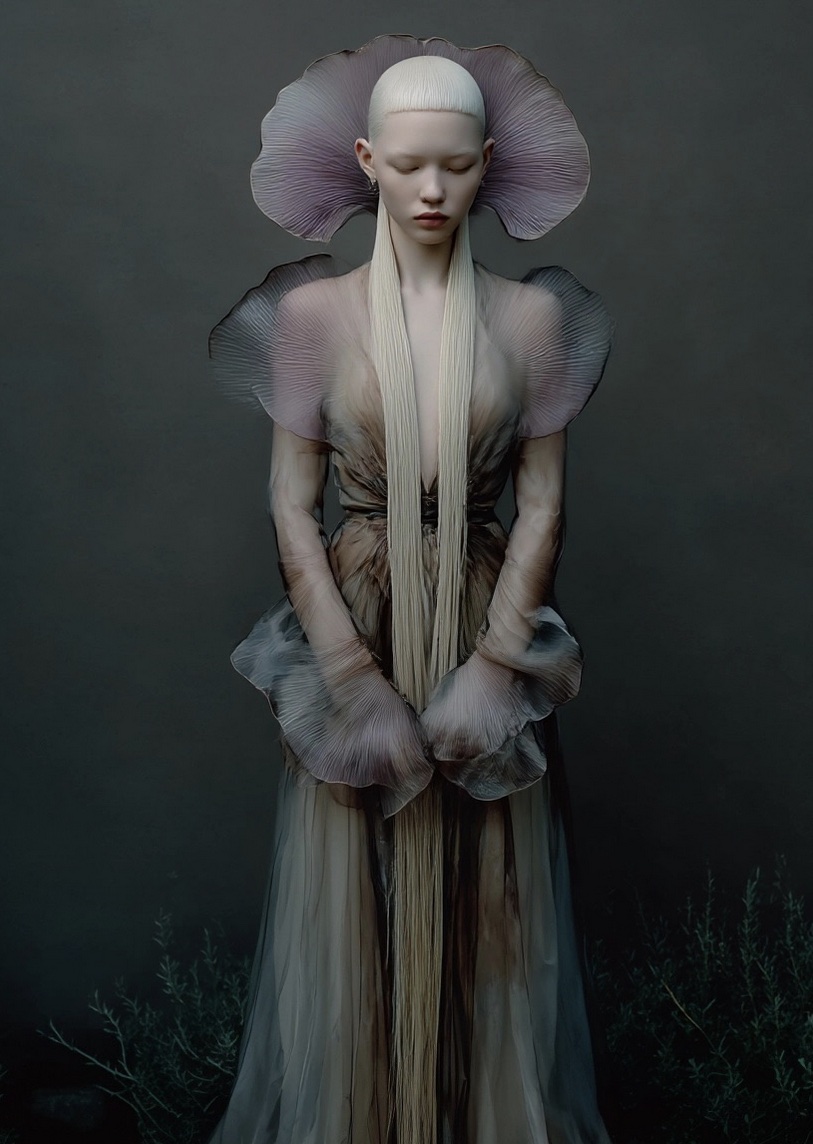
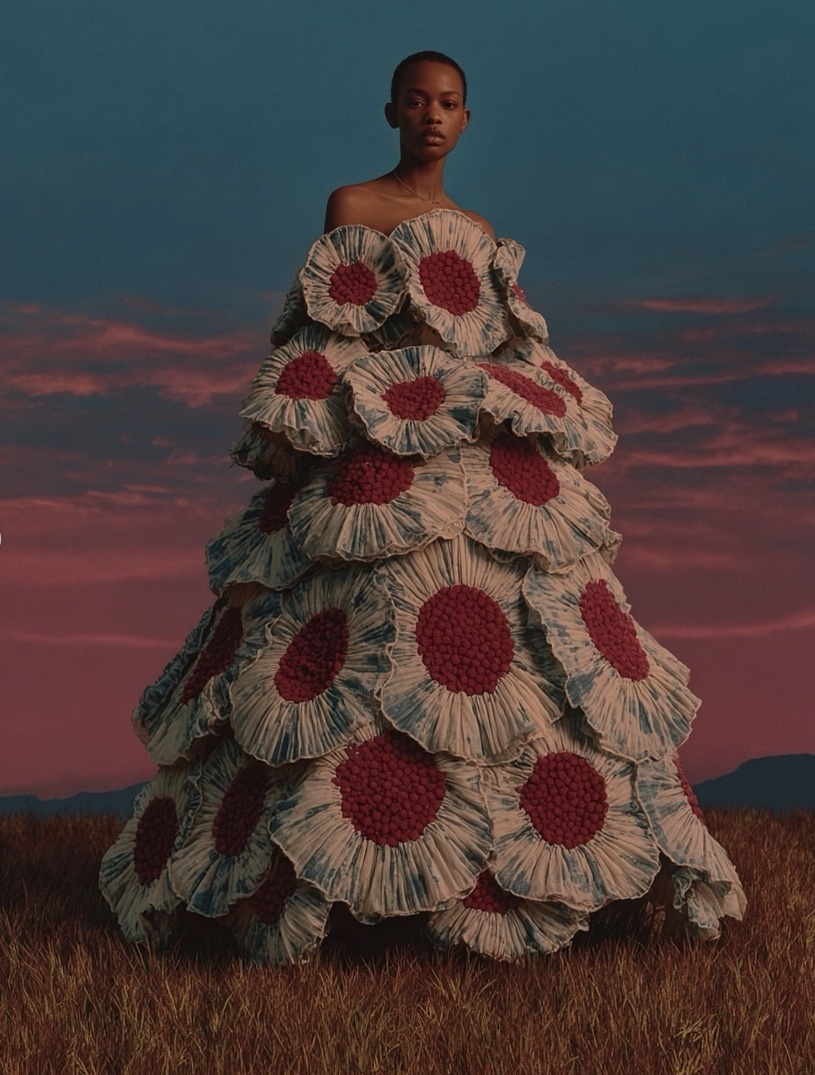
Meg Ball Style: Cutting-edge generative AI meets fashion creativity. Specializing in AI-driven apparel design and art, MEG BALL pushes the boundaries of digital expression through projects like “Denim Remix” and “Ethereal Indigo.
Charley Peters
Style: Mixes painting with AR inviting interaction and participation within her works.
Linda Dounia Style: Blending generative adversarial networks with classical art techniques, Linda’s work bridges digital abstraction and analog textures. Her projects often explore cultural identity and resistance through surreal, layered images.
Nick Holmes Style:Painter who specialises in Pop Art and literature. His ‘Frankenstein Notebooks” are filled with portraits of fictional characters and he then transforms these into 3D photographs using Generative AI.
Eric Drass (Speaker) Style: Uses AI combining text prompts with rough drafts of drawings so he can develop them further on canvas.
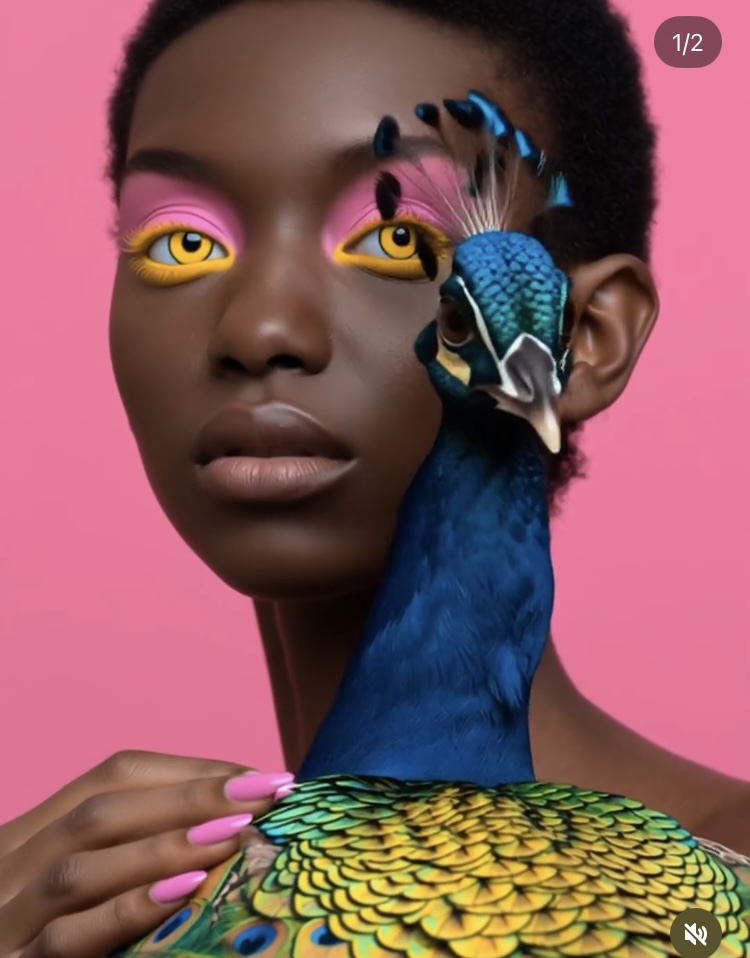
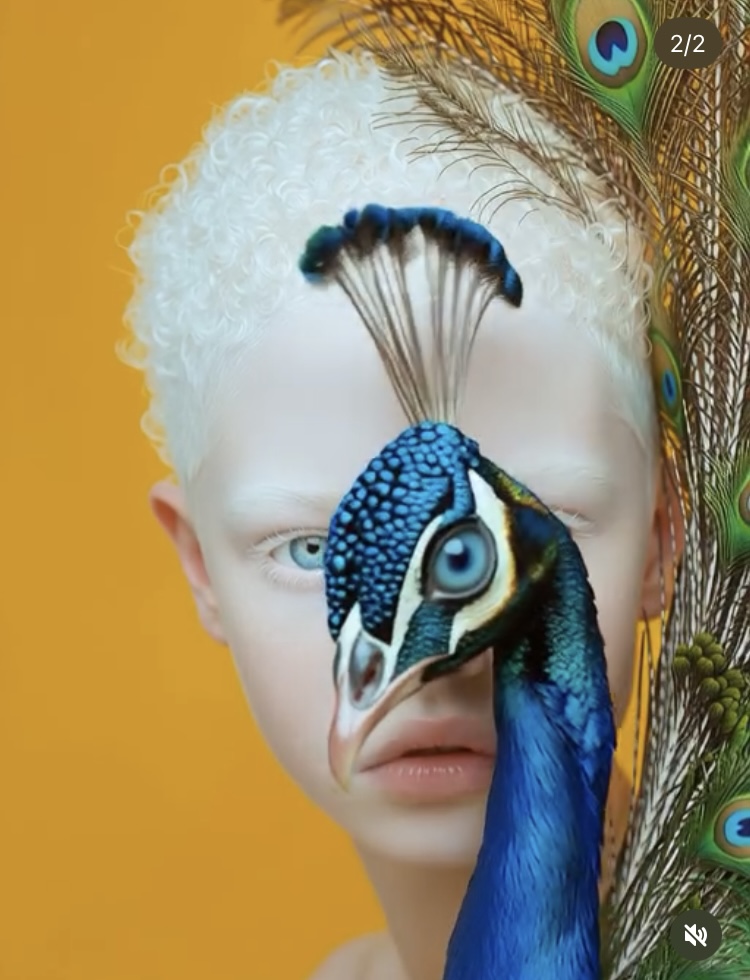
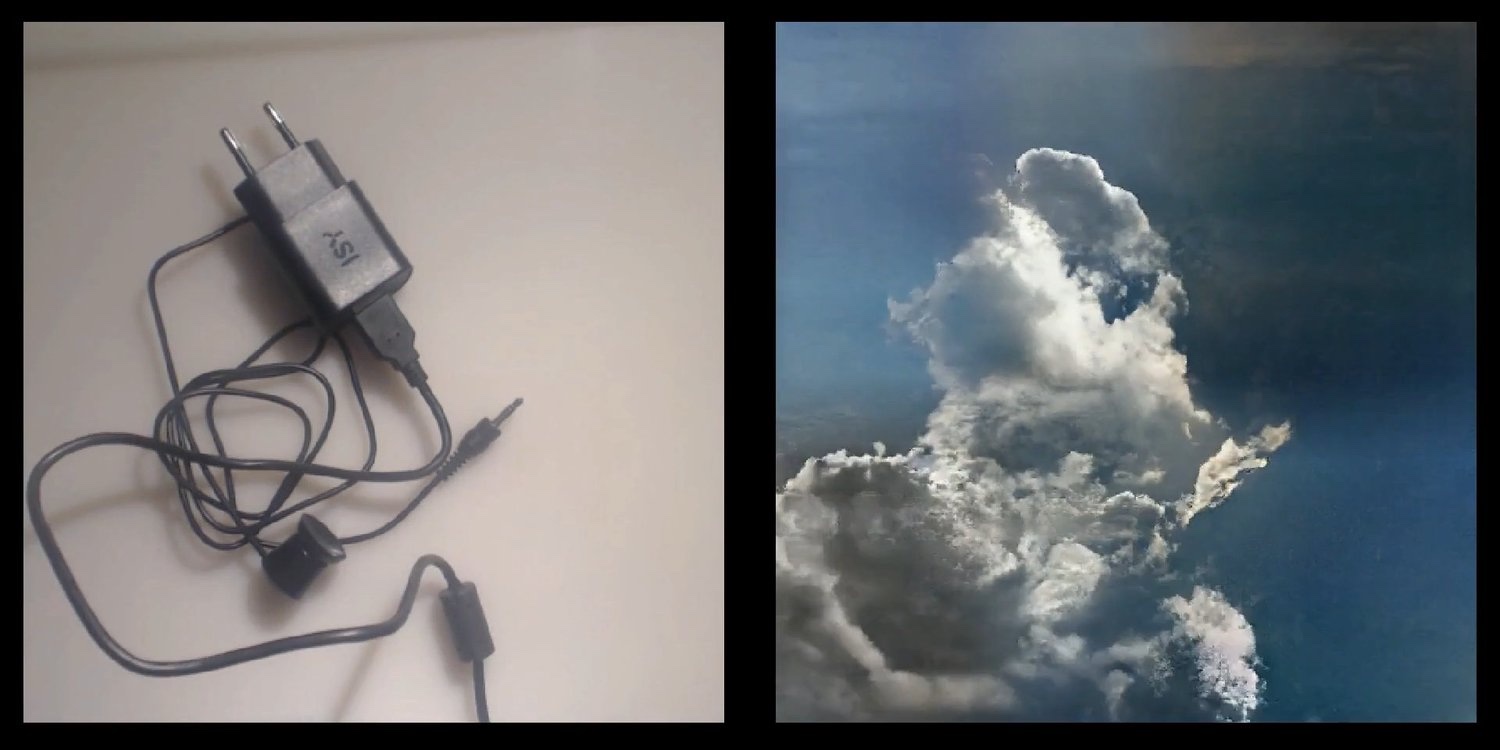
Peter McAdam Mixes Photoshop work and layered textures alongside AI juxtaposing every day objects to create a surreal environment.